
Planning a garden is more than just planting flowers or laying stones. Understanding the difference between hard and soft landscaping is essential to creating a garden that is both practical and beautiful. Hard landscaping provides structure and stability, while soft landscaping adds colour, texture, and life to your outdoor area.
A well-balanced garden combines both. Paths, patios, walls, and decking give your garden shape and functionality. At the same time, plants, trees, lawns, and shrubs soften the space and add seasonal interest. This guide will help you understand the differences, explore practical ideas, and use both hard and soft landscaping effectively to make your garden inviting and easy to maintain.
What is Hard Landscaping
Hard landscaping refers to all the solid, man-made parts of your garden. These are elements that stay in place year-round and do not grow. They give structure, define spaces, and make your garden easy to use in all seasons.
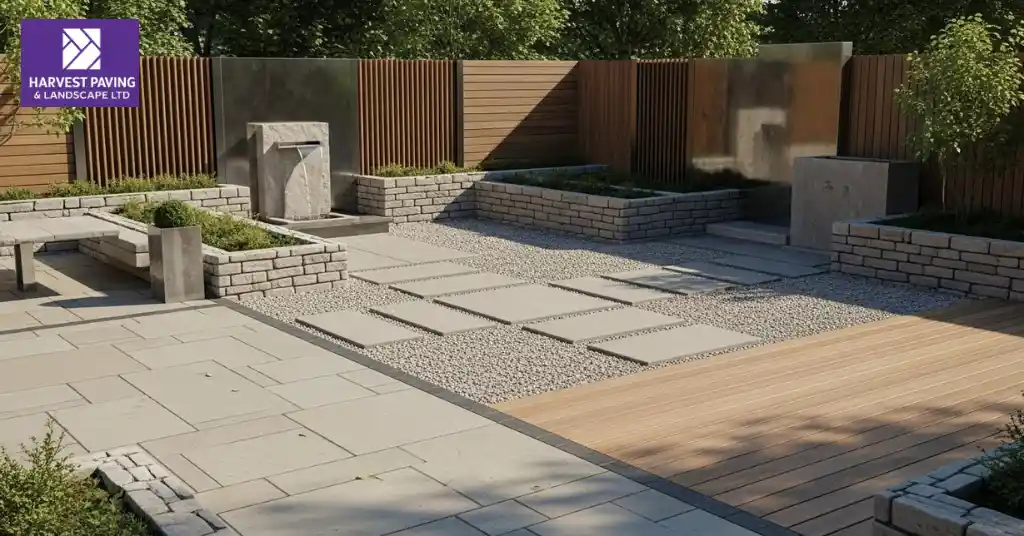
Common examples of hard landscaping include:
- Patios
- Garden paths
- Decking
- Driveways
- Fences and walls
- Raised beds
- Stone features
Materials used are strong and durable, such as stone, gravel, timber, concrete, and metal. These elements make your garden safe to walk on, provide stable seating or outdoor dining areas, and help manage water flow and drainage. By adding hard landscaping, you create a practical foundation that supports both movement and design in your outdoor space.
What is Soft Landscaping
Soft landscaping includes all the natural, living elements of your garden. These parts grow and change with the seasons, bringing life, colour, and calm to your outdoor space.
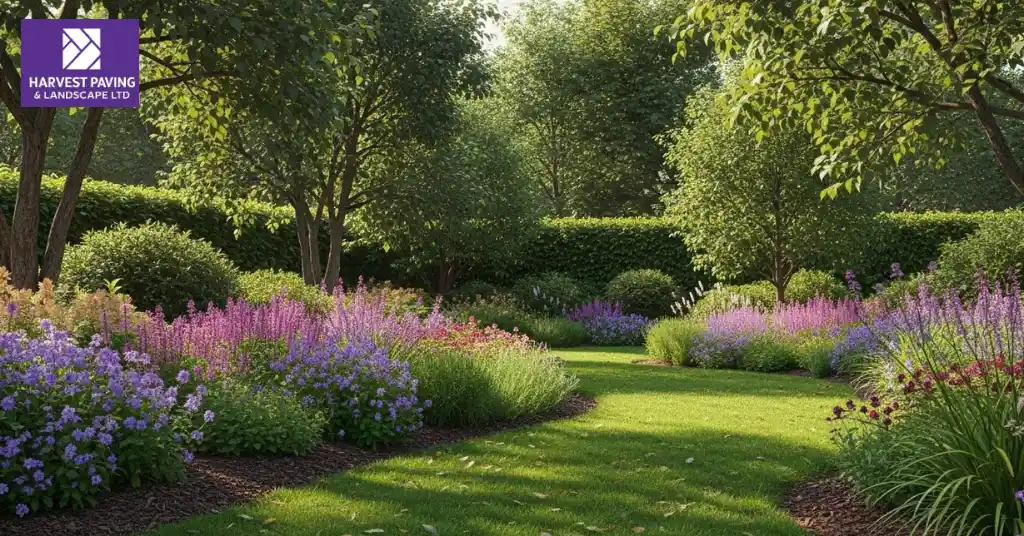
Common examples of soft landscaping include:
- Plants
- Grass and lawns
- Flowers
- Shrubs and hedges
- Trees
- Soil and mulch
The focus is on the living elements that add variety and texture. You can easily change or update them, making it simple to refresh your garden without major construction. By combining soft landscaping with hard elements, your garden feels vibrant, inviting, and full of seasonal interest.
Key Difference Between Hard and Soft Landscaping
Planning a garden starts with understanding the difference between hard landscaping and soft landscaping. Both are essential, but each has a unique role. Hard landscaping provides structure, durability, and clear paths, while soft landscaping brings colour, life, and seasonal change.
Using them together creates a garden that is balanced, functional, and visually appealing. When planned carefully, hard and soft landscaping complement each other, making outdoor spaces both practical and inviting.
1. Design
Garden design shows the difference between hard and soft landscaping. Hard landscaping creates structure and durable spaces. Soft landscaping adds colour, texture, and seasonal interest. Together, they make a balanced, practical garden.
Example: A raised bed with stone edging (hard) clearly defines the space while supporting a mix of flowers and shrubs (soft), making the garden both practical and visually appealing.
2. Material Used
Hard landscaping uses durable materials such as stone, timber, concrete, gravel, and metal. These materials last for years and withstand weather conditions.
Soft landscaping uses organic materials such as soil, mulch, seeds, and live plants. These are flexible and can be easily replaced or updated.
Example: A brick wall is hard landscaping, and planting climbing roses along it is soft landscaping.
3. Durability
Hard landscaping is long-lasting with minimal maintenance. Stone paths, patios, and decking can stay in place for decades.
Soft landscaping changes over time as plants grow, bloom, or die. It requires regular attention to stay healthy and visually appealing.
Example: A concrete driveway may last decades, but hedges and shrubs need pruning and seasonal care.
4. Function
Hard landscaping defines spaces, creates pathways, provides seating areas, and separates garden zones.
Soft landscaping adds colour, texture, shade, and a natural, relaxing atmosphere.
Example: A garden with only grass may lack structure, while a garden with only stone may feel cold. Using both the balance function and aesthetics.
5. Maintenance
Hard landscaping needs occasional cleaning or repair. Minimal upkeep keeps it functional and neat.
Soft landscaping requires watering, pruning, fertilising, and seasonal planting to remain healthy and vibrant.
Example: A wooden deck may need staining every few years, while flower beds need ongoing care.
6. Visual Impact
Hard landscaping defines the layout, edges, and structure of your garden.
Soft landscaping brings life, height, colour, and seasonal changes, making the space visually appealing.
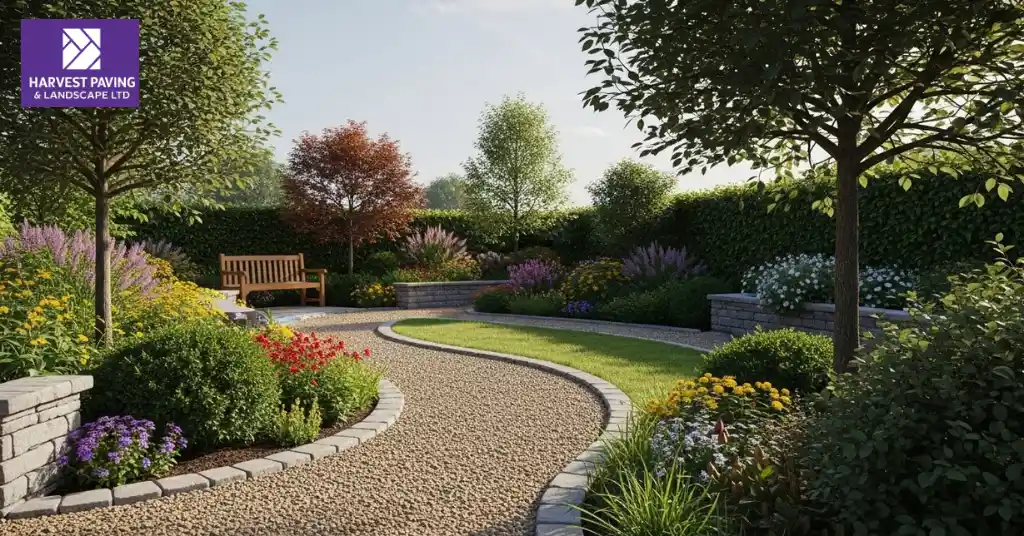
Example: A gravel path lined with colourful flowers and shrubs combines hard and soft landscaping for balance.
7. Climate Adaptability
Hard landscaping is less affected by weather and can withstand rain, heat, and frost.
Soft landscaping depends on climate, sunlight, and soil type. Plant choice must match local conditions.
Example: Hardy evergreens survive winter better than delicate seasonal flowers.
8. Cost
Hard landscaping often has higher upfront costs due to materials and installation.
Soft landscaping is usually cheaper initially but requires ongoing investment in plant care.
Example: Installing a patio costs more than planting a flower bed, but the bed needs yearly maintenance.
9. Flexibility
Hard landscaping is permanent; changing it later can be difficult and expensive.
Soft landscaping is flexible; plants can be added, removed, or relocated easily.
Example: You can replace seasonal flowers without major construction work.
10. Combination Use
The best gardens use both hard and soft landscaping.
Hard elements provide stability and usability, while soft elements add colour, comfort, and seasonal interest.
Example: A patio with a pergola (hard landscaping) surrounded by flowering shrubs and climbing vines (soft landscaping) creates a functional and beautiful outdoor space.