
Different Types of Garden Walls
1. Brick Garden Walls
Brick garden walls are one of the most popular and reliable options for outdoor spaces. Made from durable clay bricks, these walls are strong, long-lasting, and blend beautifully with almost any garden style, whether classic or modern.
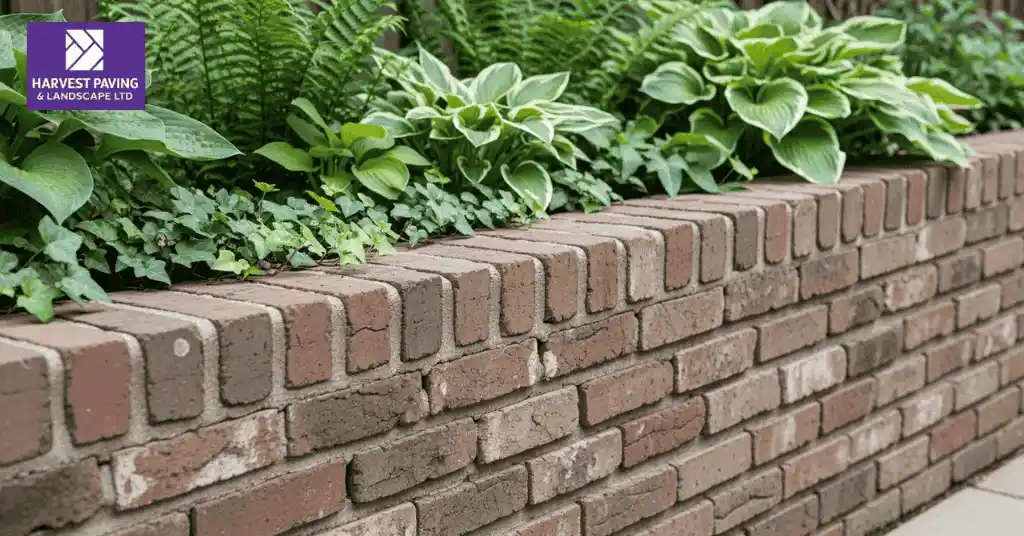
You can use brick walls in several ways:
- To create clean borders around your walled garden
- To divide areas such as seating or dining corners
- To build raised flower beds for plants and flowers
For a unique touch, you can design brick patterns like herringbone or basketweave. Brick walls can either be left in their natural red colour for a warm, rustic look or painted to match your garden’s theme. Brick garden walling requires little maintenance but adds timeless elegance and structure to your garden.
2. Stone Garden Walls
Stone garden walls add a beautiful, natural, and rustic charm to any outdoor space. Built from materials such as sandstone, limestone or granite, these walls are renowned for their strength, durability, and timeless appeal.
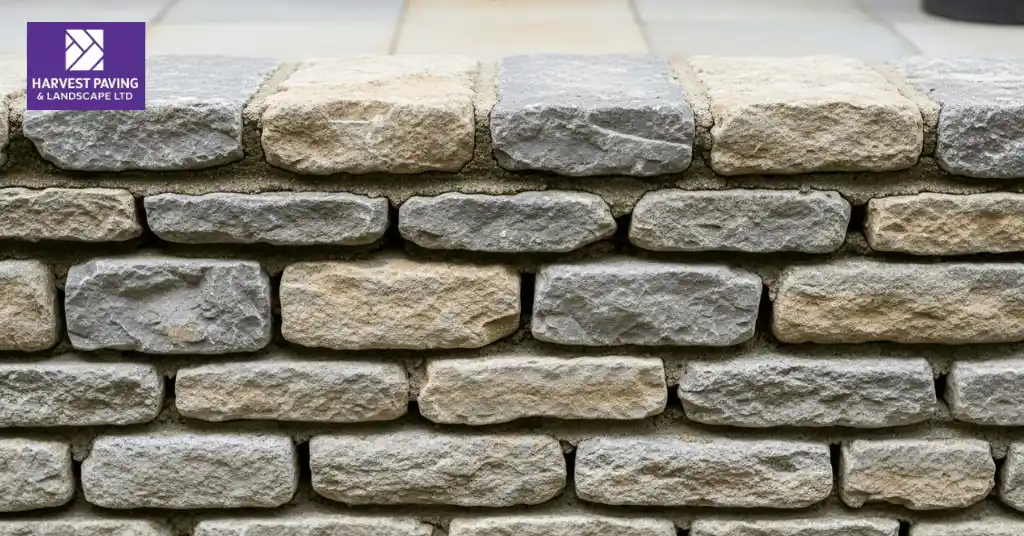
They’re perfect for:
- Retaining walls on sloped areas
- Feature walls behind plants, fountains, or seating spaces
- Borders along walkways or flower beds
Stone walls blend effortlessly with nature, making them ideal for traditional, rustic, or cottage-style gardens. Each stone has its own texture and colour, giving your walled garden a unique, organic look that only gets better with time.
3. Concrete Garden Walls
Concrete garden walls offer a clean, modern, and stylish look to any outdoor space. They can be built using concrete blocks, panels, or poured concrete, depending on the design and purpose.
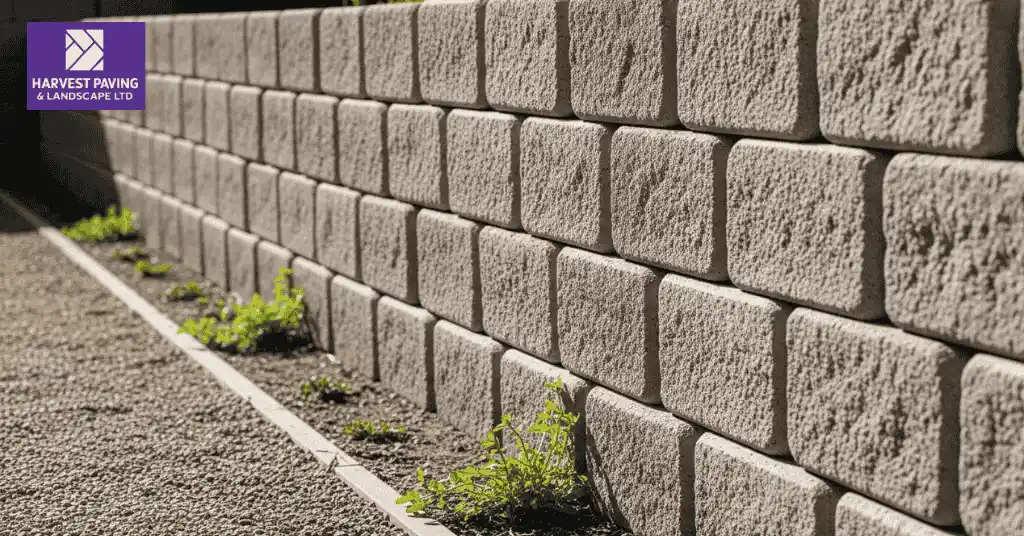
You can use concrete walls for:
- Privacy or boundary walls
- Raised planters for flowers and greenery
- Sleek, modern backdrops for seating or decorative areas
Concrete walls are easy to customise. You can paint them, add texture, or combine them with materials like wood or metal for a contemporary finish. They are highly durable, weather-resistant, and ideal for low-maintenance gardens that still maintain an elegant and well-designed appearance.
4. Timber (Wooden) Garden Walls
Timber garden walls, made from treated wood panels or railway sleepers, bring a warm, natural feel to your outdoor space. They blend beautifully with plants and greenery, creating a relaxed and inviting atmosphere.
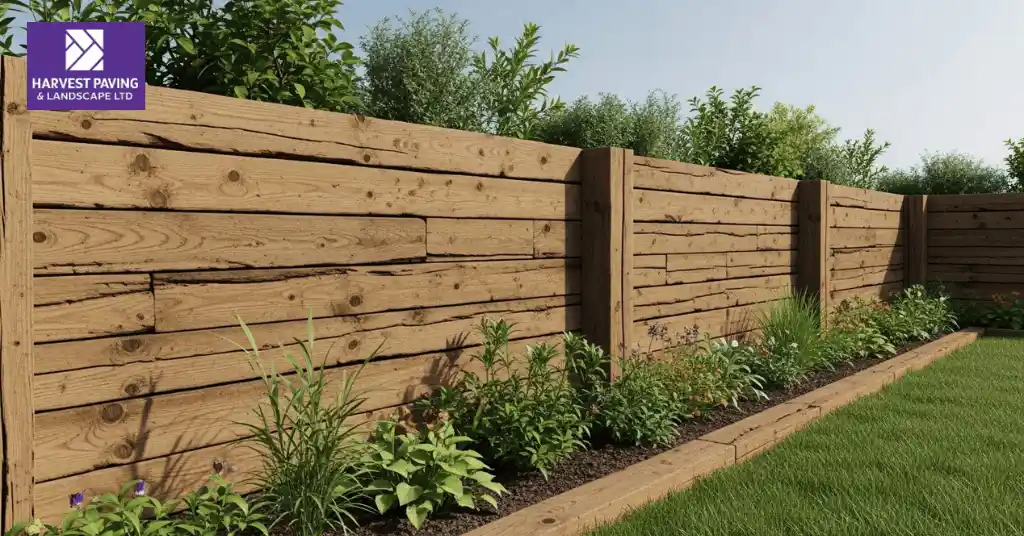
You can use wooden garden walls for:
- Retaining walls on gentle slopes
- Decorative borders around garden beds
- Dividers or built-in seating areas
Wooden garden walls are affordable, easy to install, and environmentally friendly. They’re especially suited for small or nature-inspired gardens where a softer, organic look is desired. With proper treatment and care, timber walls can last for years while adding charm and warmth to your garden.
5. Gabion Walls
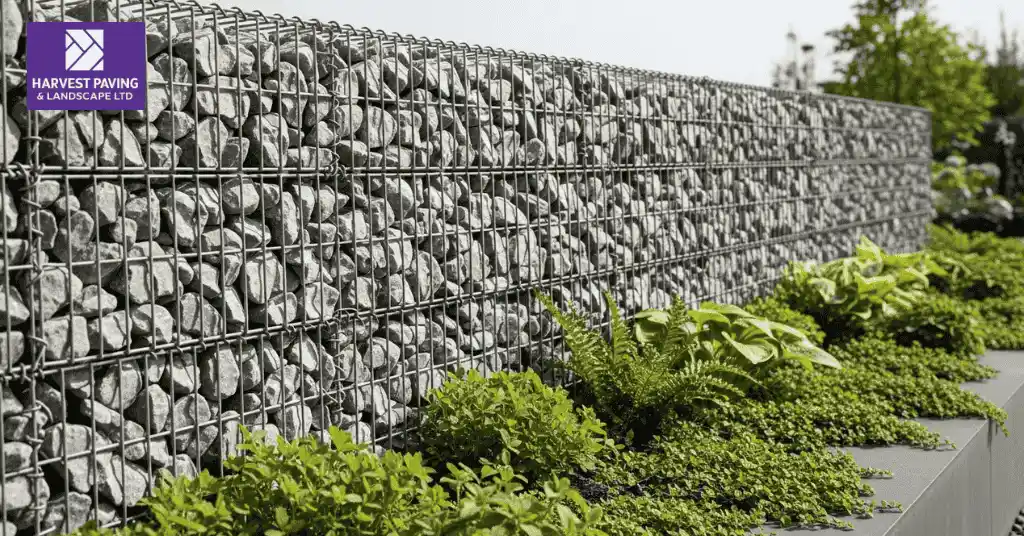
Gabion walls are made from sturdy wire cages filled with stones, rocks, or recycled materials. They’re both strong and stylish, offering a perfect mix of function and modern design.
You can use gabion walls for:
- Retaining walls on slopes
- Noise-reducing barriers along property lines
- Decorative, modern features in garden wall designs
Gabion walls have a rugged, industrial look that suits modern gardens. They provide excellent drainage, making them ideal for areas with heavy rain or uneven ground. Their solid structure and natural texture add a unique, durable, and eye-catching feature to any outdoor space.
6. Dry Stone Walls
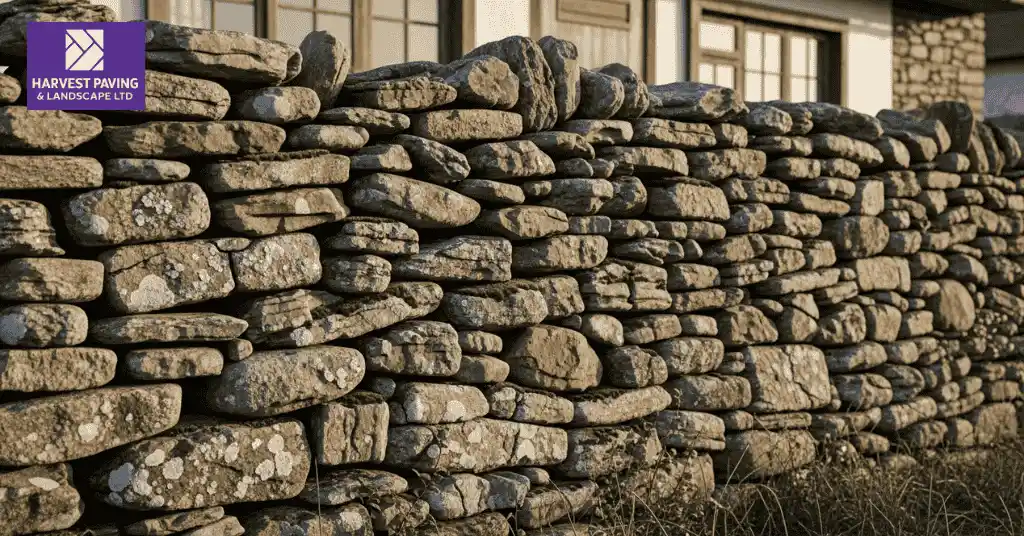
Dry stone wall gardens are constructed by carefully stacking stones without the use of cement or mortar. Each stone is placed to fit naturally with the others, creating a strong and durable structure.
They’re perfect for:
- Garden boundaries
- Pathway edges
- Dividing different areas of the garden
The small gaps between the stones provide homes for insects and small wildlife, making these walls an eco-friendly choice. With their timeless, countryside charm, dry stone walls bring a natural and rustic beauty that never goes out of style.
7. Living (Green) Walls
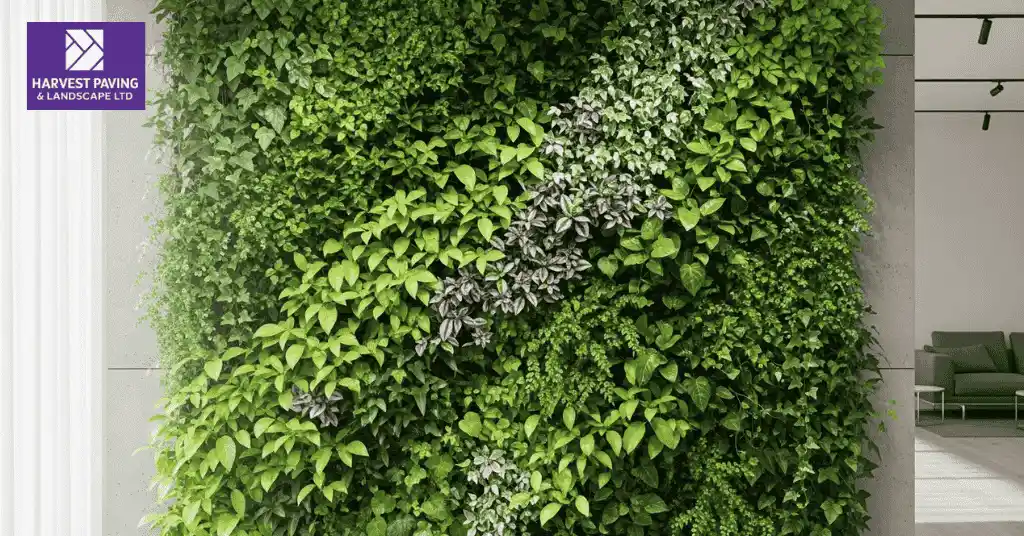
Living walls, also known as green walls, are vertical gardens filled with plants. They’re made using panels or wall planters that hold soil and greenery, turning plain walls into beautiful, living displays.
They’re perfect for:
- Small gardens or patios
- Adding colour and life to plain or dull walls
- Air-purifying wall gardens
You can grow flowers, herbs, or even small vegetables on them. Living garden walls are an excellent way to bring nature into urban spaces with limited outdoor areas. They add freshness, beauty, and a calming natural touch to any setting.
8. Retaining Garden Walls
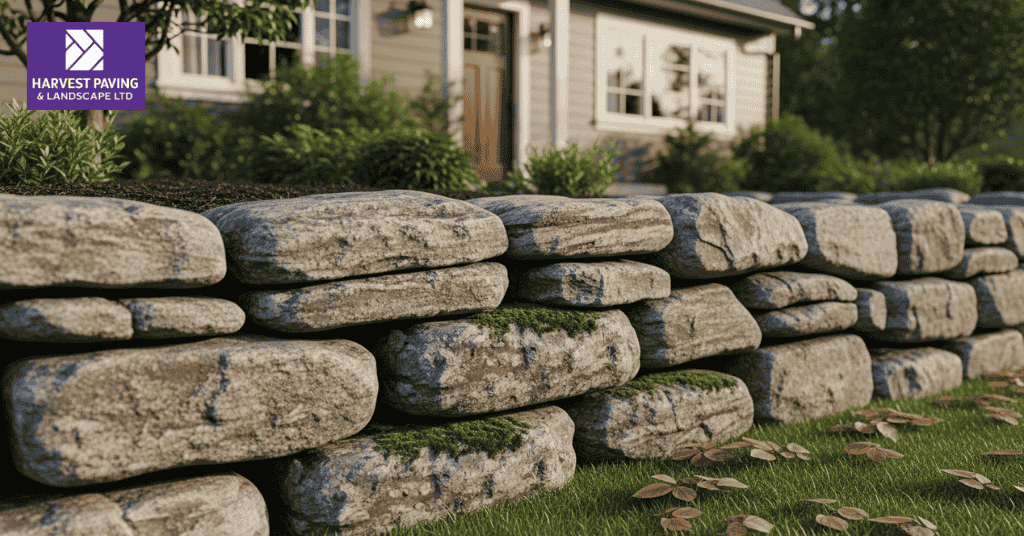
Retaining garden walls are designed to hold back soil on sloped or uneven ground. They prevent erosion and help create flat, usable spaces in your garden.
You can use retaining walls for:
- Terraced gardens on slopes
- Raised planting areas
- Supporting pathways or driveways
Depending on your budget and the desired aesthetic, these walls can be constructed from stone, concrete, or timber. Besides their strength and practicality, retaining walls also add structure and visual balance, making your garden look neat, organised, and well-designed.