
1. Wooden Fences
Wooden fences are a timeless choice, loved for their natural beauty and versatility. Whether you’re looking for a traditional picket fence or something more modern, types of wooden fences offer a range of options to suit different tastes and needs.
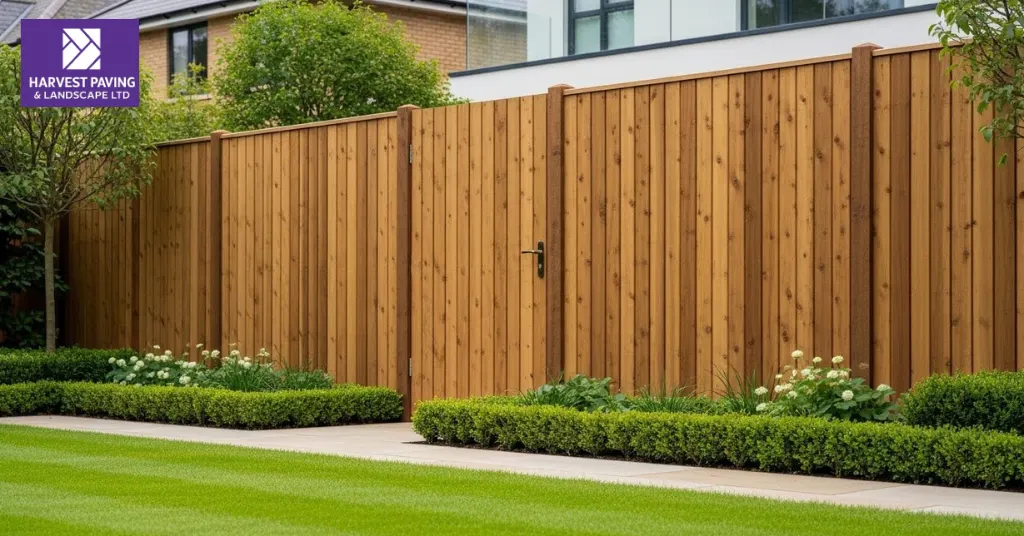
Pros:
- Aesthetic Appeal: Wooden fences can blend seamlessly with natural surroundings, adding warmth and charm to your property.
- Customisable: Wood is incredibly versatile, allowing for custom designs like different types of wood fence styles, including horizontal, vertical, or lattice patterns.
- Privacy: A solid wooden fence can provide excellent privacy, perfect for gardens and backyards.
Cons:
- Maintenance: Wooden fences require regular maintenance, including staining or painting to protect against weather damage.
- Vulnerable to Pests: Wood is prone to rot, termites, and other pests, which can shorten its lifespan.
2. Vinyl Fences
Vinyl fences are a great option for those looking for a low-maintenance, durable fence. They are made from high-quality plastic that mimics the look of wood while offering greater resilience.
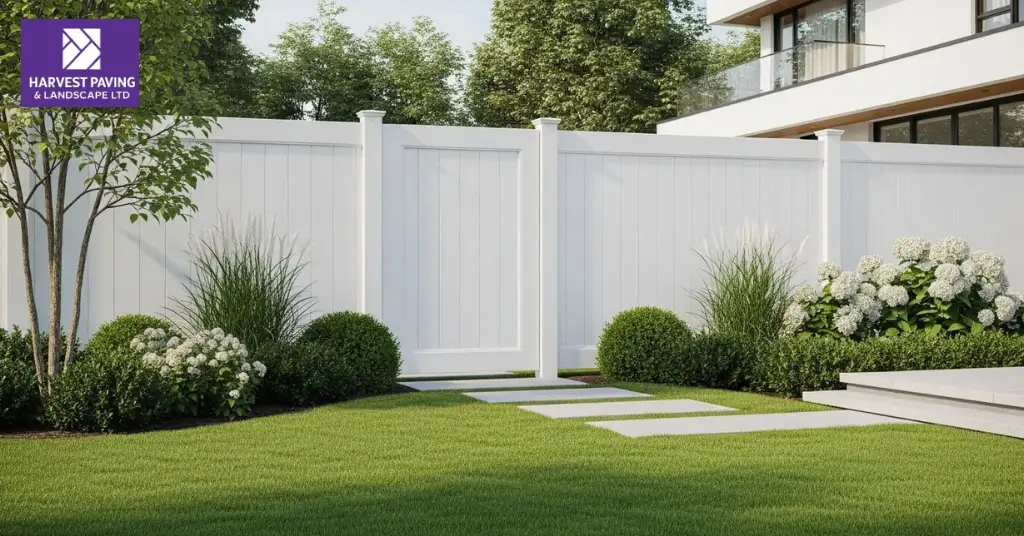
Pros:
- Durability: Vinyl is highly resistant to weather, rot, and pests.
- Low Maintenance: Unlike wood, vinyl doesn’t require painting or sealing, making it a hassle-free option.
- Variety: Available in various styles, including traditional picket fences and privacy fences.
Cons:
- Cost: Vinyl fences can be more expensive to install than other types.
- Less Aesthetic Flexibility: While vinyl can mimic wood, it doesn’t have the same organic look.
3. Metal Fences
When it comes to types of fencing, metal fences are among the strongest and most durable. These fences are commonly made from materials like wrought iron, aluminium, or steel. They’re ideal for people seeking a robust, secure fence.
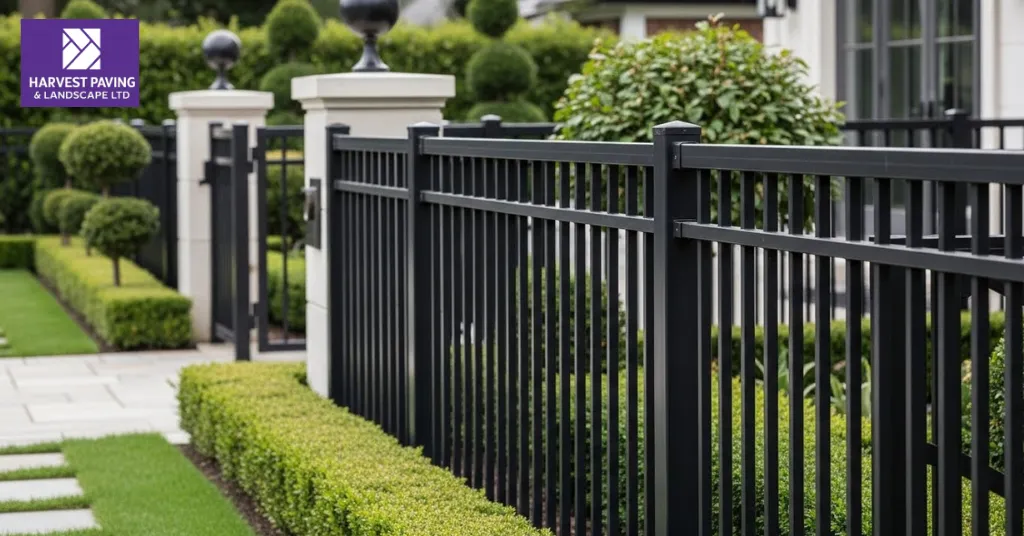
Pros:
- Security: Metal fences offer excellent security, making them a popular choice for homes that require high protection.
- Durability: Wrought iron and steel are incredibly strong and long-lasting.
- Low Maintenance: Unlike wood, metal fences don’t require much upkeep.
Cons:
- Cost: Wrought iron, in particular, can be costly to install.
- Limited Privacy: Metal fences, unless designed as solid panels, may not offer the same level of privacy as wooden fences.
4. Composite Fences
Composite fences are engineered from a blend of wood fibres and plastic, creating a strong, long-lasting, virtually maintenance-free material ideal for modern fencing solutions.
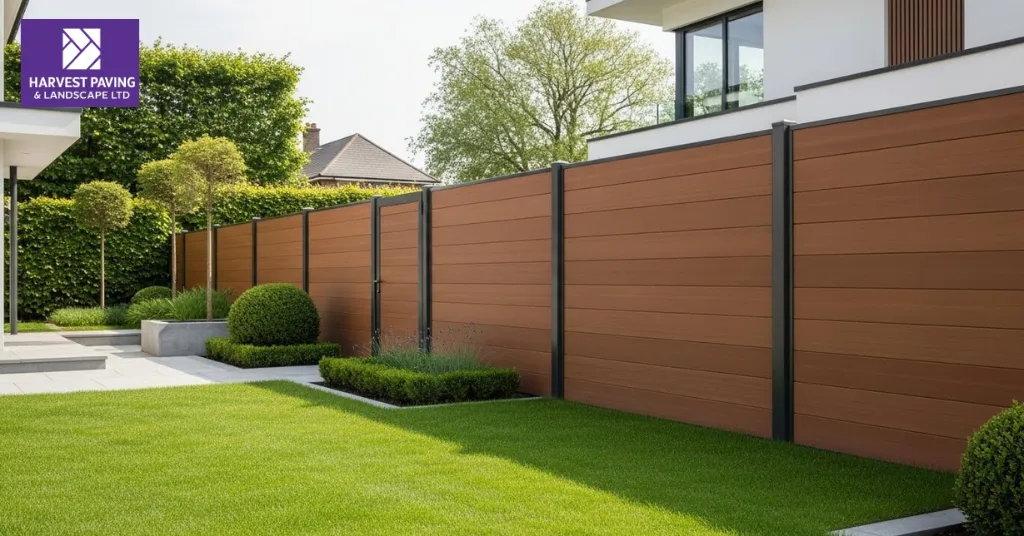
Pros:
- Low Maintenance: Like vinyl, composite fences don’t need regular painting or staining.
- Eco-friendly: Made from recycled materials, they are a greener choice compared to traditional wood fences.
- Durability: Resistant to rot, pests, and harsh weather conditions.
Cons:
- Cost: Composite fences tend to be more expensive than wood or vinyl.
- Appearance: While composite fences look like wood, they may not have the same natural charm.
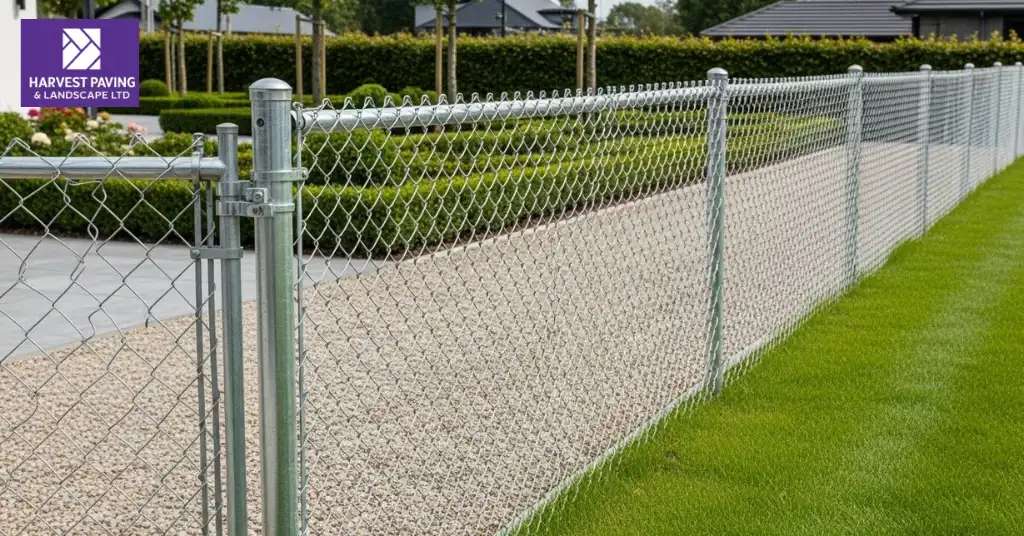
5. Chain Link Fences
Chain link fences are among the most affordable fencing options. They’re made from galvanised steel, and while they might not offer the same level of privacy as other types of fences, they are incredibly practical.
Pros:
- Affordable: Chain-link fences are among the least expensive fencing options.
- Durability: Made of steel, they are highly resistant to weather damage.
- Security: While not providing privacy, chain link fences are an excellent option for security.
Cons:
- Lack of Privacy: Chain-link fences are typically open, so they don’t offer much privacy.
- Aesthetic Appeal: They are often viewed as more utilitarian than decorative, so they might not suit every property.
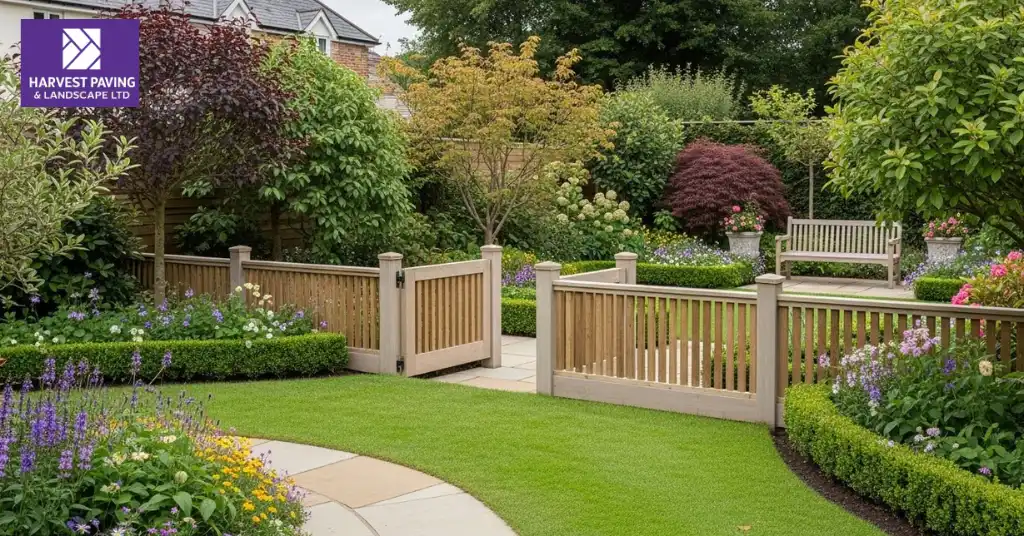
6. Garden Fencing
If you want to create a beautiful boundary for your garden, there are many types of garden fencing available. Garden fences are typically lower in height, focusing on aesthetics and defining boundaries rather than security.
Pros:
- Aesthetic Appeal: Many garden fences are designed to complement the landscape.
- Lightweight: They’re easier to install and don’t require as much maintenance as larger fences.
Cons:
- Limited Security: Garden fences aren’t ideal for privacy or security.
- Limited Durability: Garden fences may not be as durable as heavier fences and can wear out faster.
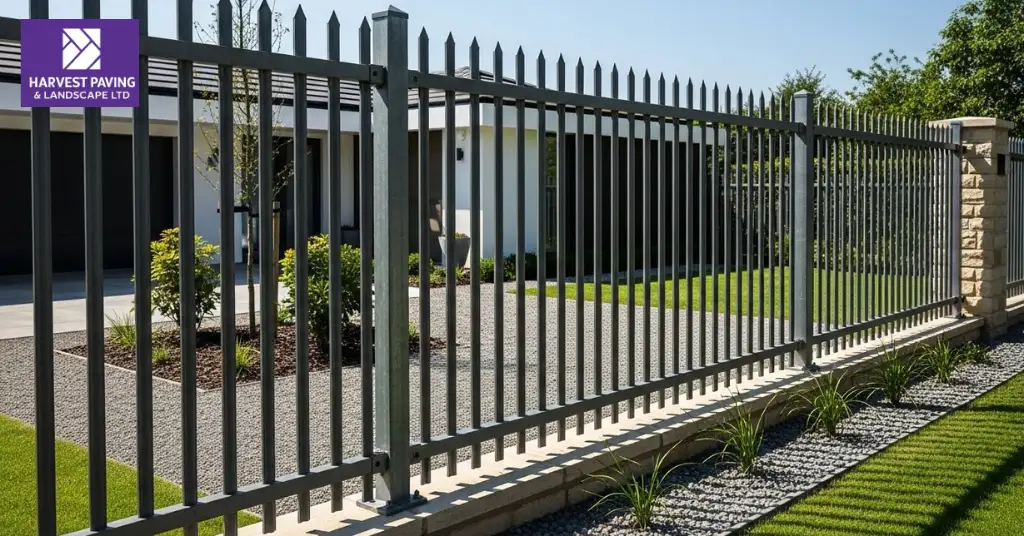
7. Palisade Fences
Palisade fences are commonly used in industrial settings but can also be used in residential areas. These fences consist of steel or wooden posts with pointed tops, providing a high level of security.
Pros:
- Security: Palisade fences are effective deterrents against trespassers.
- Durable: Made of steel or wood, these fences are built to last.
Cons:
- Aesthetic Appeal: Palisade fences might not be the most attractive option, as they are often used for security purposes.
- Cost: Due to their security features, palisade fences can be more expensive.
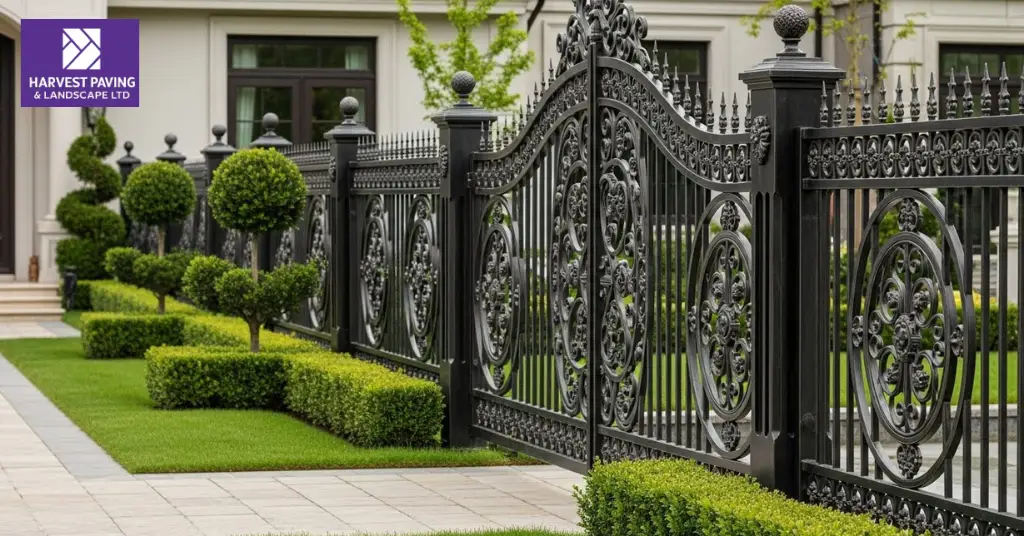
8. Wrought Iron Fences
A more specific type of metal fence, wrought iron fences are often chosen for their beauty as much as their strength. Known for their elegant, ornate designs, they’re ideal for creating a statement.
Pros:
- Aesthetic Appeal: Wrought iron is known for its timeless, elegant look.
- Durable: Very strong and resistant to damage.
Cons:
- Cost: Wrought iron fences can be expensive to install.
- Maintenance: They may require periodic maintenance to prevent rusting.
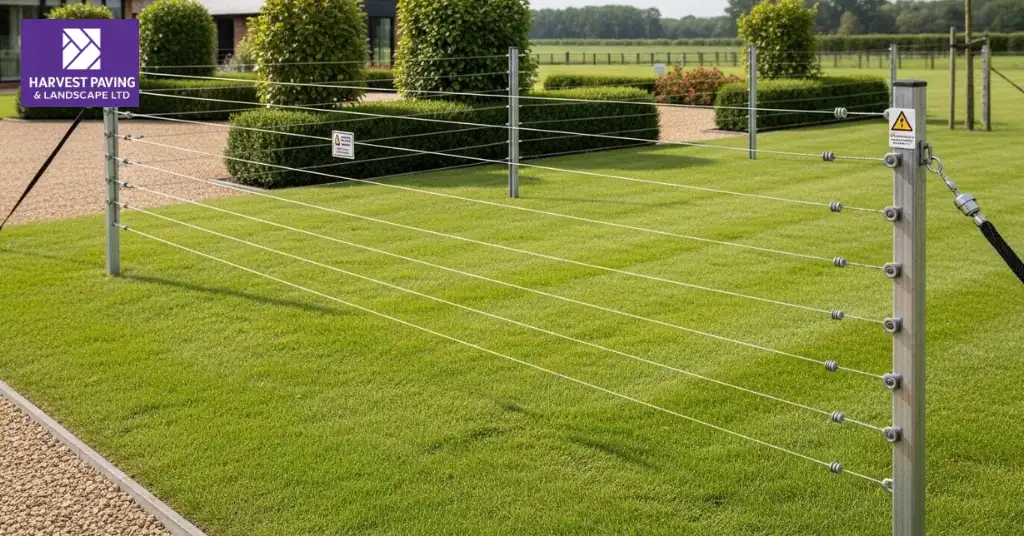
9. Electric Fences
Electric fences are a great option for those needing an extra level of security. These fences deliver a mild shock to deter intruders and are typically used on farms or properties with livestock.
Pros:
- Security: Highly effective at keeping intruders away.
- Cost-effective: Less expensive than some other high-security fencing options.
Cons:
- Installation: Requires professional installation to ensure proper functioning.
- Safety Concerns: While the shocks are harmless, they can be a safety risk if not properly maintained.
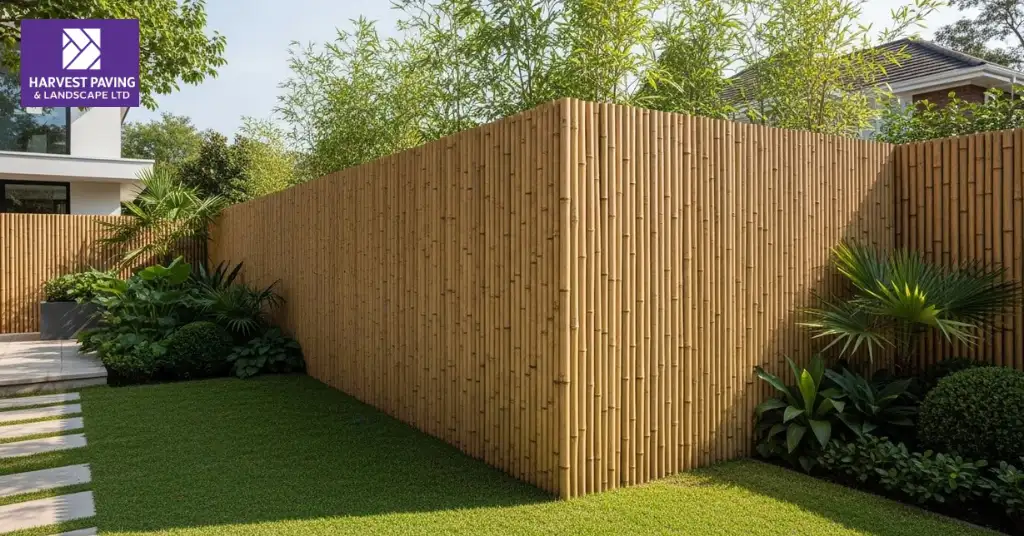
10. Bamboo Fences
Bamboo fences are an eco-friendly alternative to traditional fencing options. They are commonly used in gardens or as a natural privacy barrier.
Pros:
- Eco-friendly: Bamboo is a sustainable, fast-growing material.
- Aesthetic Appeal: Bamboo adds a unique, natural look to gardens and outdoor spaces.
- Privacy: Bamboo fences can provide good privacy, especially if made with tightly packed bamboo poles.
Cons:
- Durability: Bamboo can break down over time if exposed to the elements unless treated.
- Maintenance: Requires regular care to prevent rotting and maintain its appearance.
Conclusion
Choosing the right fence for your property is essential for enhancing both its functionality and appearance. Whether you need privacy, security, or a decorative touch, there’s a fencing option that suits your needs, from wooden and vinyl to metal and bamboo.
Each type has its own advantages, whether it’s the durability of metal fences or the eco-friendliness of bamboo. By understanding the pros and cons, you can make an informed choice for your fence installation, ensuring the perfect balance of style and practicality for your outdoor space.
If you’re looking for trusted landscaping contractors in Colchester or nearby areas, our team is here to help. We offer expert fence installation services and provide reliable, high-quality solutions for all your fencing needs.